
But My Dog’s Not a Foodie!
I hear this all the time.
“Oh, my dog doesn’t even like treats.”
“She won’t take food when we’re out.”
And honestly? In most cases, it’s not that your dog isn’t food‑motivated, it’s that food just isn’t valuable yet.
So let’s talk about how to increase the value of food, and how to use it thoughtfully to capture the behaviours you actually want.
Start With the Big One: Food Available All Day
Does your dog have access to food in a bowl all day?
If so, there’s no mystery, no scarcity, and no reason for food to feel important. When food is always available, it loses its power.
Instead, aim for structured meal times:
Once or twice per day for adult dogs (three or more for puppies)
Offer the appropriate portion at meal time only
Give your dog 10 minutes to eat
If the food isn’t eaten, simply pick it up and pop it in the fridge. Offer it again at the next meal time.
Most dogs learn very quickly that when food appears, it matters. Just like that, their meal has become more valuable. Without changing what you’re feeding.
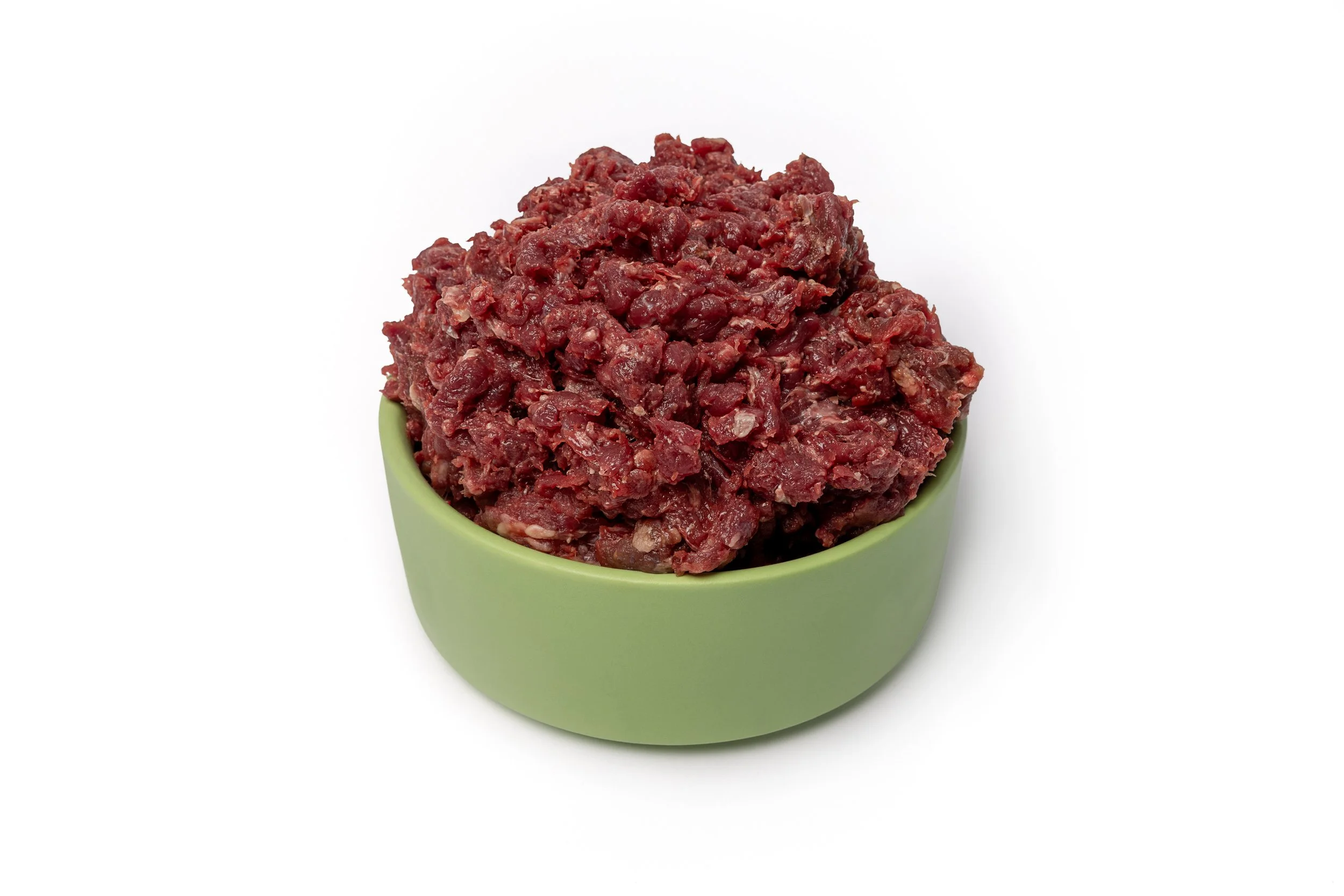
Pictured: Southern Raw Pet Meats Fresh & Complete Raw Mixes
Ditch the Bowl (At Least Sometimes)
Meal time doesn’t have to happen in a bowl.
Your dog’s main diet can be used to reinforce calm, desirable behaviours at home — things like:
Settling on a bed
Staying close to you
Choosing calm over chaos
Using meals as training rewards dramatically increases their value.
If you feed raw and the thought of handling it makes you cringe (totally fair), you can still get creative:
Load meals onto a licky mat or Kong
Reward with short “lick sessions” for good choices
The goal isn’t perfection, it’s intention.
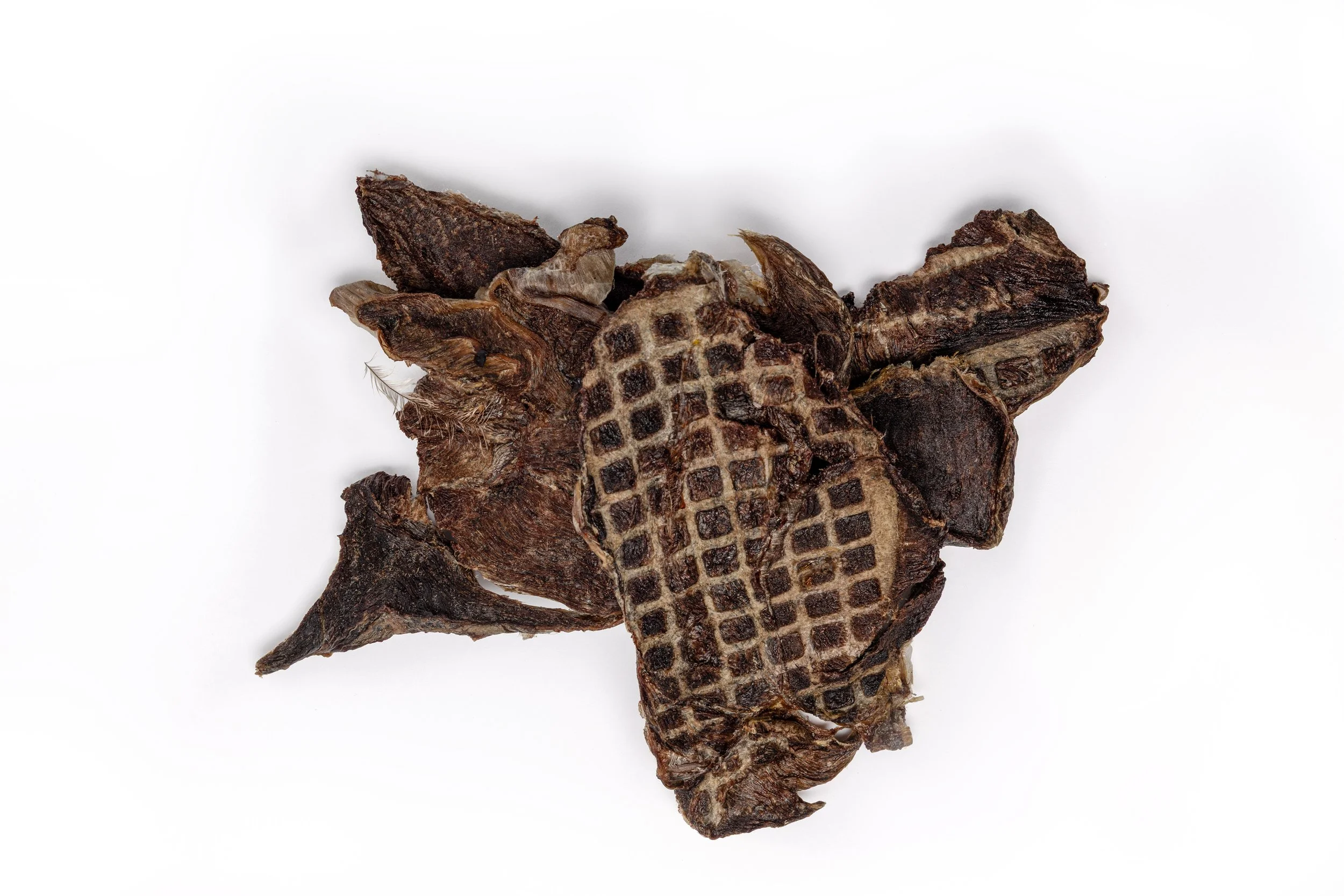
100% Locally Sourced Kangaroo for Southern Raw Pet Meats, Roo Jerky Treats
When You’re Out: Increase the Value of Treats
Once you leave the house, distractions skyrocket. So your rewards need to match.
Outside the home, I reach for high‑value treats. These usually live in the fridge, not the pantry.
Think:
Leftover sausage or steak (cut very small)
Palony / fritz / devon
Cheese
Hot dogs
If you’ve got kids, you already have access to half of this list.
Chop them up, portion into zip‑lock bags, and freeze. Pull them out when you need something really motivating.
You can also make your own treats using:
Salmon or sardines
Egg
Cheese
Pumpkin
High‑value fresh treats can be mixed with premium dried treats like:
Dried white bait
Duck, chicken, roo, liver
Important note: Please do your research and only buy Australian‑made dried treats. Imported dried meats are treated on arrival and can cause serious harm; especially for small dogs and cats.
Always check packaging carefully. If in doubt, buy local. We have some incredible local businesses offering local pet meat products.
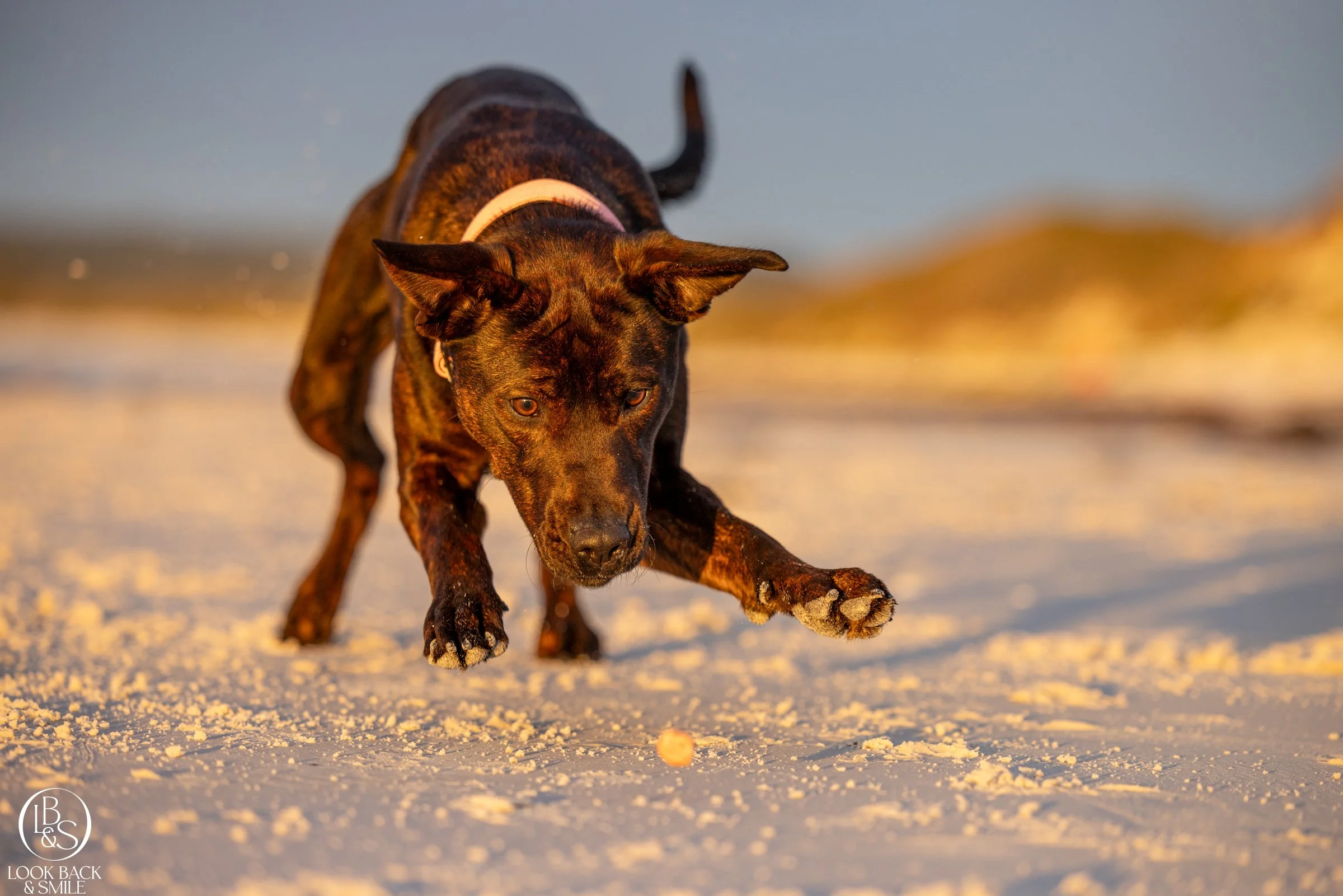
Chasing a Rolled Treat!
Make It FUN
Value isn’t just about taste, it’s about how the reward is delivered.
Some dogs absolutely light up when treats are rolled or thrown. If your dog loves to chase (think herding breeds, bird dogs, ratters), use that.
For example:
Call your dog in
When they target your hand, mark it with a “yes”
Throw the treat away for them to chase
This sets them up to come back to you again; turning recall into a game rather than a command.
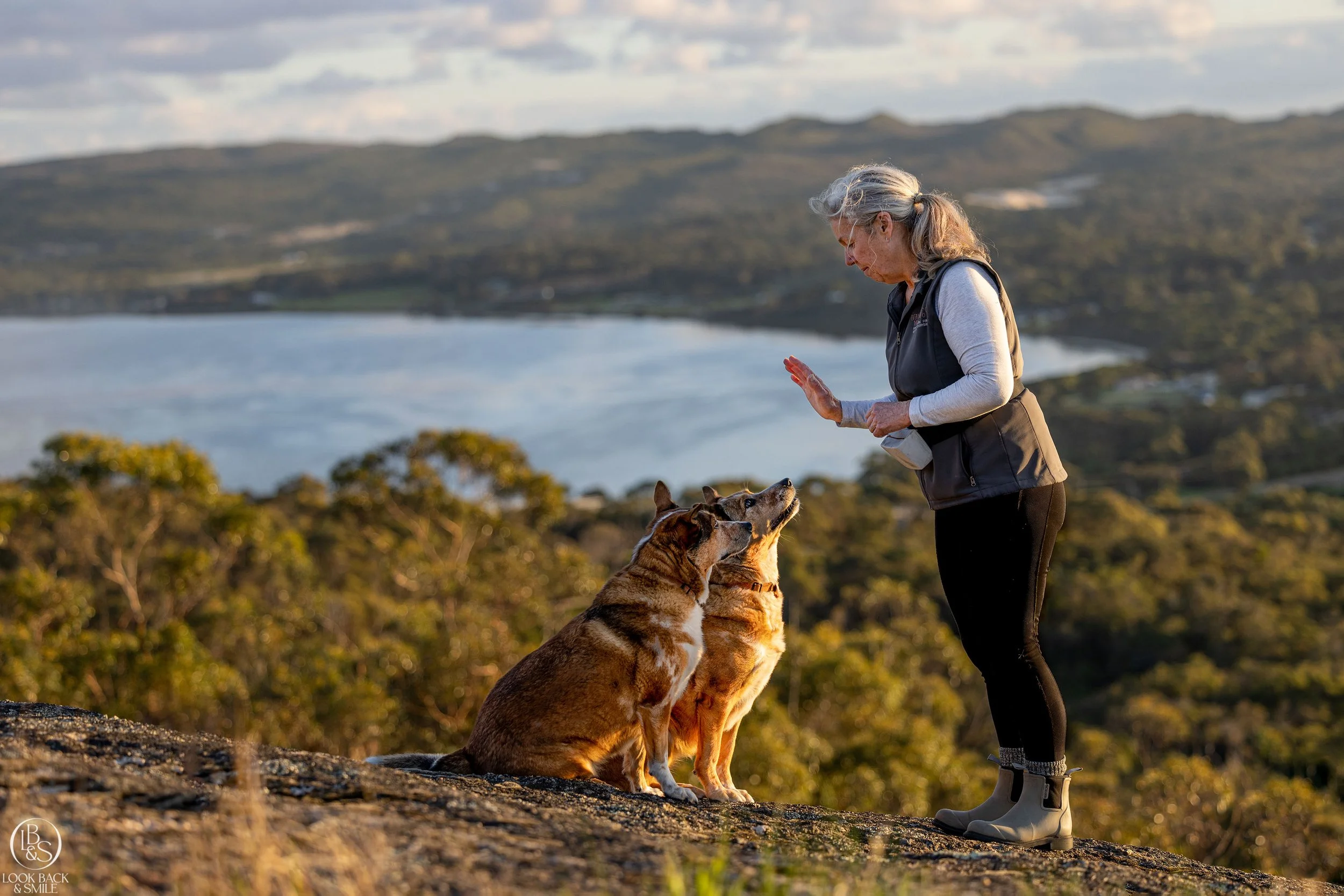
Donna from Every Day Dogs - Training Two Dogs Together
Training With Two Dogs (Done Carefully)
Another way to increase food value is training alongside another dog.
This works beautifully with dogs from the same household if it’s managed well.
I recommend:
Each dog safely tethered and spaced apart
Working one dog while the other is rewarded for calm behaviour on their bed
Then swapping roles
This taps into a very natural response: she wants what he’s having; and vice versa.
Just be mindful of resource guarding and always prioritise safety.
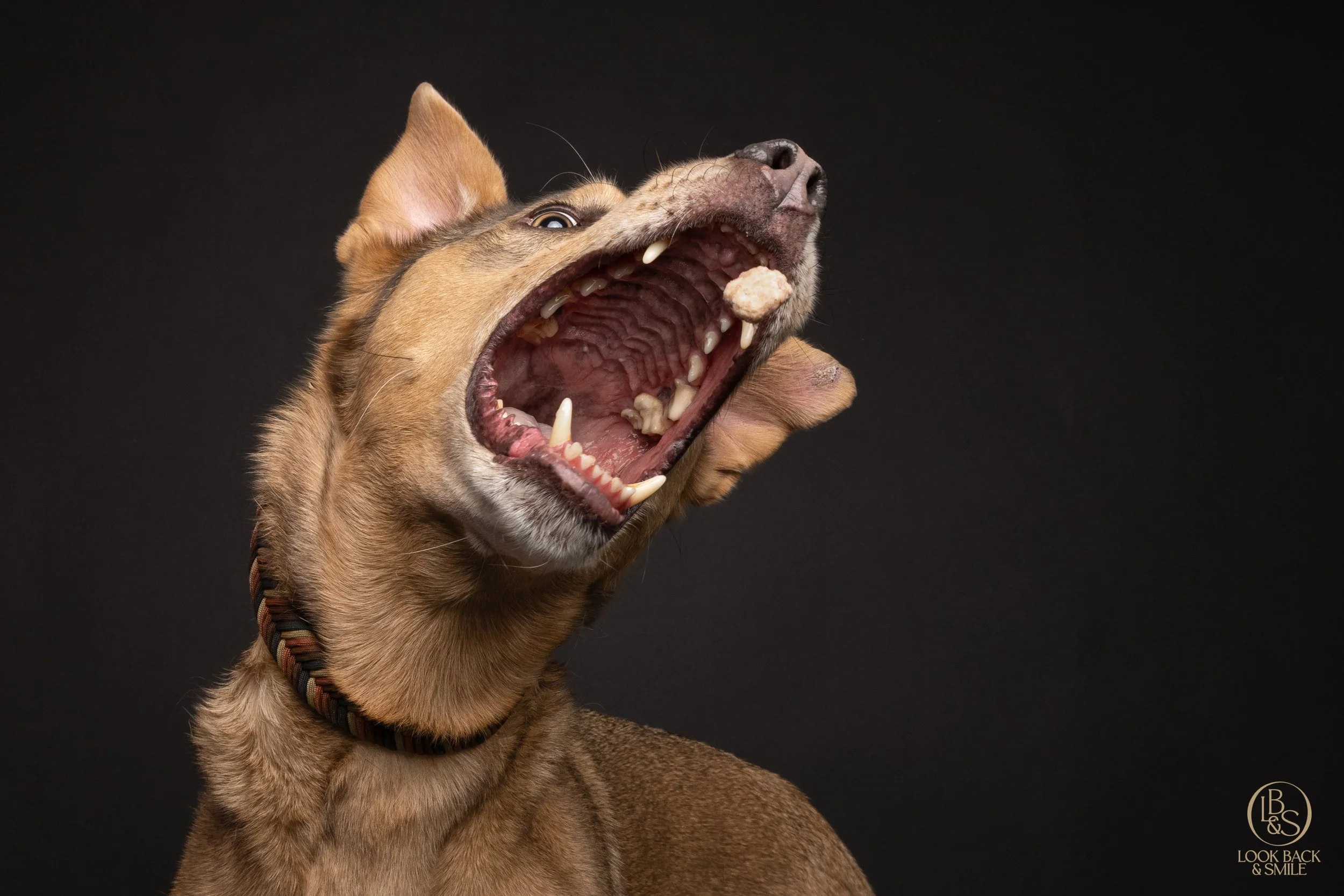
Diesel loves to catch treats!
Jackpot Rewards: Make the Moment Count
Jackpot rewards are for those extra special moments.
A great recall. A breakthrough behaviour. Choosing you over a major distraction.
A jackpot isn’t one treat. It’s many treats in a row, delivered with genuine excitement.
For confident dogs, this might look like:
Rapid‑fire treats
Happy voices
A mini celebration
For more sensitive dogs, keep it calm but generous. One treat after another, paired with warm, calm praise.
If my dogs recall off something big (kangaroo, snake, off‑lead dog), they might also get thrown treats to chase; making it unforgettable.
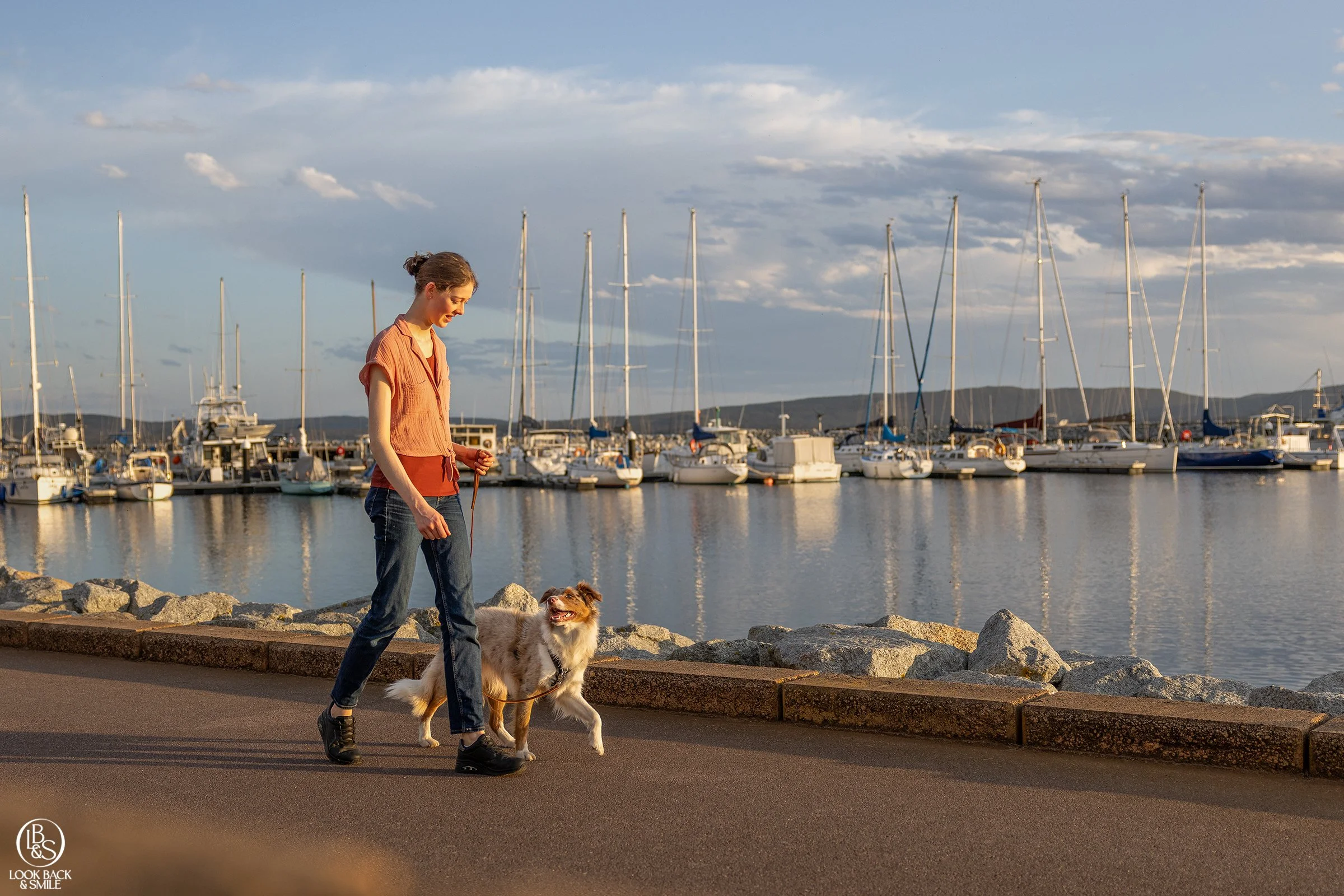
Frances from Follow My Lead Dog Training enjoying some close walking at the Marina.
Final Thoughts
If you have a dog who “isn’t a foodie,” try implementing just a few of these changes.
Give it two weeks.
And then tell me. Is your dog suddenly a lot more enthusiastic about food?
Because in most cases, it was never about the treats. It was about the value.
If you give this a go, I’d love to hear how you’re getting on.